India Startup Funding Crosses $10 Billion: Why Fewer Startups Get Bigger Cheques in 2026
Indian startups raised over $10 billion in 2026 with fewer deals but larger cheques. Explore why investors favour big bets in AI, deeptech and enterprise as seed funding declines.
Dinesh Gaur Editor
Oct 27, 2026 • 11:27 AM 0
B
Business
NEWS CARD
“India Startup Funding Crosses $10 Billion: Why Fewer Startups Get Bigger Cheques in 2026”
Read more onen.aiadda.in/s/efa407
27 Oct 2026
https://en.aiadda.in/s/efa407
Copied
India Startup Funding Crosses $10 Billion: Why Fewer Startups Get Bigger Cheques in 2026
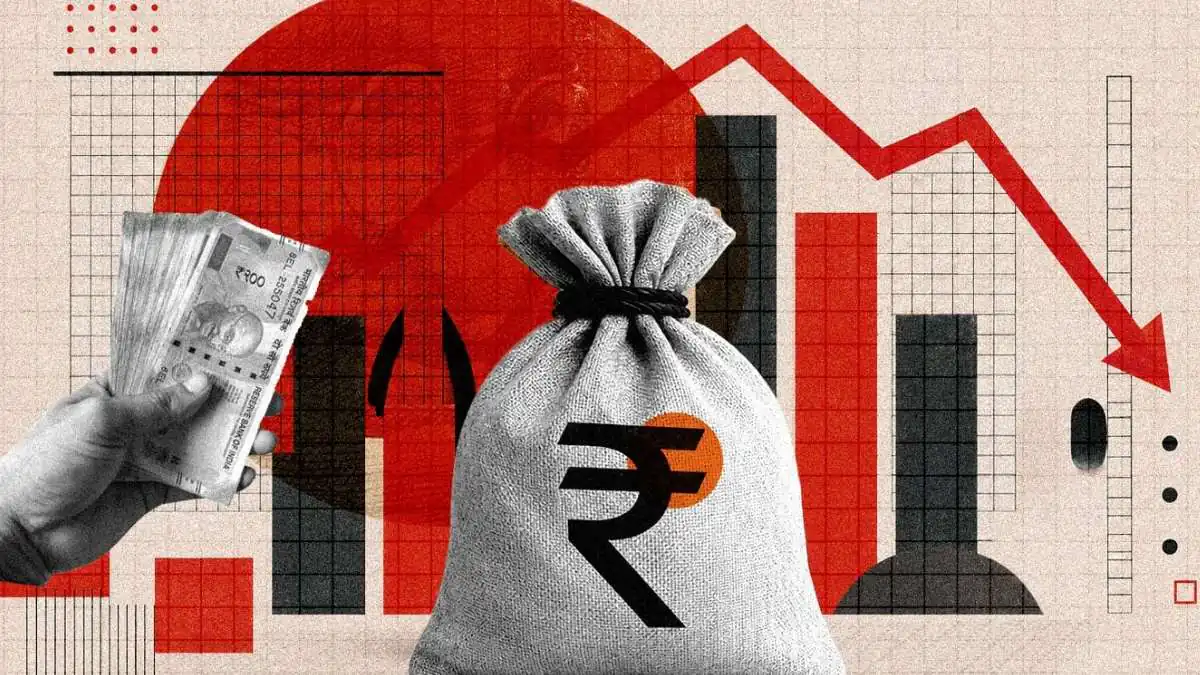
Indian technology startups have crossed the $10 billion funding mark in 2026, yet the numbers tell a story of concentration rather than broad recovery. Venture capital equity funding reached approximately $10.9 billion across 1,253 rounds between January and mid-October, up modestly from the previous year. At the same time, the number of funding rounds fell sharply — by around 37-38 per cent in comparable periods — while the average cheque size rose significantly. Investors are writing fewer but substantially larger cheques, favouring proven or high-conviction companies in areas such as AI infrastructure, data centres, enterprise technology and deeptech.
This shift marks the third consecutive year of relatively flat overall funding totals. Capital is consolidating among a smaller group of startups, with the top 10 fundraisers accounting for nearly 36 per cent of the total. The trend reflects greater selectivity, higher scrutiny on traction and defensibility, and a preference for scalable opportunities that can absorb larger amounts of capital.
The Numbers Behind the Concentration
Data from Tracxn shows that in the first nine months of 2026, tech startups raised $10.3 billion, a 7 per cent year-on-year increase, even as funding rounds dropped 38 per cent to 1,134. By mid-October the cumulative figure stood near $10.9 billion. Average equity funding per round climbed to about $8.6 million from roughly $5.1 million a year earlier.
Mega-rounds drove much of the total. Notable deals included Nxtra Data’s $1 billion raise, Neysa’s $600 million Series B, CRED’s $540 million Series H, and Sarvam AI’s combined raises of around $345 million that helped it reach unicorn status. Eighteen rounds of $100 million or more were recorded in the nine-month period. Meanwhile, the number of first-time funded companies fell about 30 per cent, and seed-stage funding declined 37 per cent.
Do you want to receive news updates on WhatsApp?
Get the latest and most reliable news updates instantly on WhatsApp. Join now and be the first to read every story.
Early-stage funding showed relative strength, rising around 27 per cent in some periods, while late-stage funding remained broadly stable. The result is a market in which capital is flowing more readily to companies that have already demonstrated product-market fit or operate in capital-intensive, high-growth segments.
AI infrastructure, enterprise applications and data-centre related plays attracted substantial interest. Enterprise infrastructure funding surged dramatically in some reports, while enterprise applications and fintech also posted gains. Bengaluru continued to dominate, capturing over 40 per cent of the total in the first nine months.
Deeptech and AI-native companies are drawing patient capital as investors look beyond consumer internet models that dominated earlier cycles. Family offices, institutional investors and global funds have shown willingness to write large cheques for businesses with clear paths to scale, proprietary technology or strategic importance in India’s digital and industrial infrastructure.
Six new unicorns emerged in the first nine months of 2026, up from four in the corresponding period of 2025. Notably, several reached the $1 billion valuation threshold with lower cumulative funding than previous cohorts, indicating more efficient capital deployment in select cases.
Why Fewer Startups Are Raising Capital
Investors have become more selective after the excesses of previous funding cycles. Higher interest rates globally, subdued public market conditions and a focus on sustainable unit economics have raised the bar for new investments. Seed and very early-stage founders face longer fundraising timelines and stricter requirements around traction, defensibility and path to profitability.
Larger funds and growth investors prefer to deploy bigger tickets into fewer opportunities where they can take meaningful ownership and influence outcomes. This has led to a “winner-takes-more” dynamic in which established or rapidly scaling companies continue to access capital while many new entrants struggle to clear the initial hurdle.
Some investors note that sources of capital such as family offices and high-net-worth individuals have been more cautious while equity markets remain subdued. At the same time, capital is rotating toward sectors that require longer time horizons and larger initial investments, including deeptech, advanced manufacturing and AI compute infrastructure.
Implications for Founders and the Ecosystem
For early-stage founders, the environment demands stronger differentiation, clearer go-to-market strategies and realistic capital-efficient roadmaps. Companies that can demonstrate proprietary data advantages, defensible workflows or clear enterprise demand are better positioned to attract attention even in a selective market.
Later-stage and growth companies with proven traction continue to find receptive investors willing to write nine- and ten-figure cheques. The concentration of capital may produce stronger category leaders, but it also risks slowing the formation of the next generation of startups if seed and Series A activity remains constrained for an extended period.
India's Startup Funding Stalls, But AI Gains Ground! VC funding reached $10.9 billion in 2026 through October 15, with fewer deals but bigger investments. Deeptech, AI and clean energy startups are attracting growing investor interest. Read More: https://t.co/jz3HYNfTEt #StartupIndia #VentureCapital #DeepTech #ArtificialIntelligence #StartupFunding #CleanEnergy #IndianStartups #BusinessNews
— Rediff Business (@rediffbusiness) October 26, 2026
The overall ecosystem remains substantial. India continues to rank among the world’s largest startup markets by funding volume. The current phase emphasises quality and scale over quantity of deals, aligning with a more mature stage of the market’s development.
Conclusion: India’s startup funding has crossed $10 billion in 2026 through a clear pattern of fewer deals and bigger cheques. Capital is concentrating in AI, enterprise, data centres and deeptech as investors prioritise high-conviction bets. While this creates challenges for new and early-stage founders, it also signals a market focused on building durable, scalable companies capable of competing on a global stage. The coming months will show whether the concentration trend continues or whether improved liquidity and confidence broaden the base of funded startups once again.
FAQ
How much have Indian startups raised in 2026 so far? Indian tech startups raised approximately $10.3 billion in the first nine months and around $10.9 billion by mid-October 2026, according to Tracxn data.
Why are fewer startups getting funded despite higher total amounts? Investors are concentrating larger cheques in fewer companies with proven traction or high-growth potential, particularly in AI infrastructure, enterprise tech and deeptech, leading to a sharp drop in the number of rounds.
Which were the largest funding rounds in 2026? Key deals included Nxtra’s $1 billion raise, Neysa’s $600 million Series B, CRED’s $540 million Series H, and significant raises by Sarvam AI.
How has seed-stage funding performed? Seed-stage funding declined by about 37 per cent, making it one of the most challenging segments for new founders.
Which sectors are attracting the most capital? AI infrastructure, enterprise applications, data centres, fintech and deeptech have drawn the largest shares of investment.